Still Standing
They came for the budgets. They came for the programs. They came for the books. And here we are.
Urban library workers have always been the last ones standing when everything else falls apart — the community anchor, the safety net, the one institution that doesn’t close its doors when times get hard. This year we want to talk about that. What does it take to stay standing? What have we lost in the fight, and what have we held onto that surprised us? How do we keep showing up for our communities when no one is showing up for us?
This isn’t a conference about survival — it’s a conference about endurance. About the grit, creativity, and sheer stubbornness that defines urban library workers. Come share your war stories, your wins, and your wildly impractical ideas that somehow worked. Come stand in a room full of people who get it.
We’re still here. Let’s talk about what that means, and what we do next.
Keynote
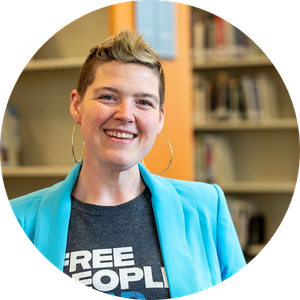
Sam Helmick
Sam Helmick is a librarian, community advocate, and champion for the people who make libraries thrive. They serve as Community & Access Services Coordinator at the Iowa City Public Library and are the Immediate Past President of the American Library Association, where they advocate for library workers and the vital role libraries play in creating access, connection, and opportunity.
Sam’s work is rooted in a deep belief in the creativity, resilience, and care of library workers who continue to show up for their communities through times of challenge and change. They speak about the endurance, innovation, and collective strength that help libraries remain essential places of belonging and possibility.
Speakers
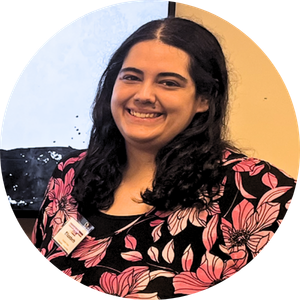
Elizabeth Portillo
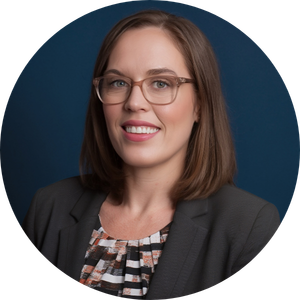
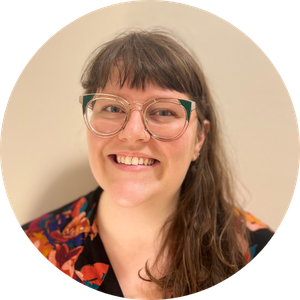
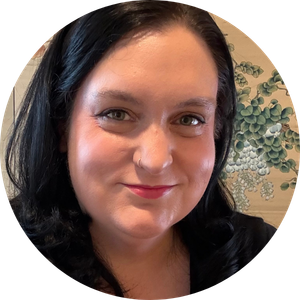
Hilarie Ashton



Nigel Meiko



Dr. S.E. Hackney
“Your Story Doesn’t Matter”: Censorship, Erasure, and Resilience Among Virginia Library Workers
Amber Matthews
This session presents findings from a qualitative study of Virginia library workers’ experiences with censorship and professional erasure in an increasingly restrictive legislative environment. Participants included public and academic library workers across the state who described navigating pressure to self-censor collections and programming, managing patron interactions without institutional support, and absorbing professional costs largely in silence. Accordingly, many described limited institutional communication during periods of heightened pressure. We also examine where resilience came from: what kept people in the work, what peer networks held, and what broke down. The session connects those findings directly to the “Still Standing” question: not just how workers survive hostile conditions, but what survival actually requires of them, and what institutions owe in return.
Building Staff Support Infrastructure at Your Library
Ruby Vail
Erin Wells
The winter of 2024-2025 was a very difficult one at the Central Square Branch of the Cambridge Public Library. We saw hundreds of incidents including hate speech, unwanted physical contact, and other abuse towards staff as well as patron mental health crises, overdoses, and many other serious medical emergencies.
It was exhausting and, as managers, there was only so often we could ask “how are you doing?” to our team after yet another incident. A pizza party wasn’t going to fix everyone’s burnout and feelings of insecurity. As many of us know, there isn’t a required class in Library school about how to navigate and cope with the incidents, direct trauma, and vicarious trauma we face on the job or for how to lead in the face of these traumas.
Our session covers the infrastructure that has since been implemented at Cambridge Public Library to offer deeper support for staff facing trauma at work. The goal of this infrastructure is that it becomes baked into our culture and our processes and that this self- and community care becomes part of our workday, rather than something we only have an option for off the clock. Learn about our strategies for engaging leadership, for advocating for front-line staff, and for building and supporting additional resources for patrons to ease the load on staff.
Holding the Line: Community-led Action for NYC’s Public Libraries
Abby Emerson
Hilarie Ashton
Michael Kranz
In this panel, several core members of NYC PLAN will share our strategies, successes, and struggles in our organizing work to amplify, strengthen, and progress the futures of New York City’s three public library systems. Through community-led action, we remain “Still Standing” despite Mayor Mamdani’s failure to deliver his promised 0.5% funding baseline. While media and library administrators offered tempered reactions to a compromised budget, our strict message discipline has kept our 0.5% demand at the center of the narrative, refusing to let the city lower the bar. Standing in solidarity with budget justice movements like 1% for Parks, our hold the line ethos offers a model for holding elected leaders accountable and resisting premature compromises. By keeping the voice of the people and a vision of true abundance central to city policymaking, we demonstrate how grassroots campaigns can successfully keep fully-funded futures alive in the public consciousness.
Built to Last: Practical Strategies for Sustainable Library Work
Dr. Cantrell Johnson (PhD, MLS, MS, BA)
Has your tire gone flat one too many times lately?
Librarian burnout isn’t a personal failing—it’s what happens when the frame, wheels, and chain aren’t tended to. This session shares practical, research-informed strategies for sustaining library work and keeping services going when the pressure is real and resources are stretched.
Drawing on library and information science, counseling, and organizational research, this session explores what actually builds resilience: not willpower, but timing, connection, trusted networks, and support that meets librarians where they are.
Attendees will leave with practical strategies they can use immediately to strengthen support for themselves and their colleagues, create shared language around sustainable work, build trusted relationships, and keep showing up for the long haul. Wear is normal. It’s repairable. Still standing means staying in motion.
Leading When the Work Is Heavy: Supporting Staff Through Crisis
Elizabeth Portillo
This is not a traditional presentation about a new program, initiative, or research project. This session is about lived experience, and about what leadership looks like before, during, and after trauma in a public library.
Two months into a new role, a colleague was murdered by a patron. As staff began to process that loss, the COVID pandemic followed. In the years since, the work has included navigating public violence, harassment, safety concerns, and the cumulative impact of crisis. This presentation reflects on what it means to go home exhausted in the face of trauma and still choose to show up consistently for staff as a steady, grounded presence.
Drawing from experience in a library with supportive administration, this session explores how leadership choices shape staff morale, trust, and retention over time. It names the tension between resilience and harm, challenges the culture of vocational awe that normalizes suffering as part of the job, and distinguishes this work from trend-based or surface-level uses of “trauma-informed” language. The focus is not on being a hero or a therapist, but on practicing supportive, bounded leadership that reduces additional harm and protects staff from toxic behaviors, unsafe dynamics, and unrealistic expectations.
This presentation is informed by participation in the Urban Libraries Unite’s National Forum on Libraries in Trauma, which led to the published Trauma in Libraries report, as well as ongoing work as a founding peer leader and logistical team member with the Library Worker Support Network. The session will include time for reflection and discussion, acknowledging that while the specifics of trauma differ, the leadership challenges are widely shared.
On Purpose: Serving Black Queer and QTPOC Communities Without Making It Accidental
Charles Muhammad
Your library says it serves everyone. Your Black & queer patrons know what that costs them to navigate. This talk moves through three questions. Who are you designing for? What does your environment communicate before anyone speaks to a librarian? What does it mean to hold space for communities that have been surveilled by public institutions, not served by them? Drawn from over a decade of building intentional programs for Black queer people in DC and Baltimore. You may leave with a reframe you can bring back to your library.
So You Want to Be Safe? One Library Union’s Campaign for Fully Staffed Libraries
Debra Elfenbein
Nigel Meiko
Qualia Sway
Unionized library workers from Enoch Pratt Free Library in Baltimore will present strategies of their Safety Campaign, a coordinated, ongoing effort to demand safe staffing levels. Members of Pratt Workers United/AFSCME 6359 have been building a shared union culture through outreach, humor, education, and official grievances.
Lessons in Sustaining Programs for Justice-Impacted Youth (and what you can do!)
Carrie Banks
Jill Anderson
Carrie Banks and I will present on the lessons we’ve learned providing various programming for “at-risk,”, incarcerated, and re-entering teens. We also will incorporate lessons from our book, Disrupting the School to Prison Pipeline: An Action Guide for Libraries. Finally, we will note some of the gaps in current services in the tri-state area that we are aware of.
Library Workers: Are We Everything to Everybody or Nothing to Nobody?
Brandon Haynesl
The Toronto Public Library is the busiest urban library system in North America, and by many measures, the busiest in the world. In a industry where library workers are constantly adapting to the evolving needs of our communities, we have found ourselves striving to maintain our reputation as one of the last openly-accessible and democratic institutions–The “Great Equalizer”. Toronto Public Library Workers have endured threats like staffless libraries, navigating the conversation about safety and security, and/or how we’ve responded to the growing drug toxicity epidemic. I bring my perspective as the president of the Toronto Public Library Workers’ Union of the Canadian Union of Public Employees (CUPE) Local 4948; having been elected just a few months before the COVID pandemic–and having lived to tell the tale!
Zine Making for Information Security
Dr S.E. Hackney
This workshop combines zine making with the basics of digital privacy and information security with a focus on grassroots recordkeeping communities– groups of people who collectively create and store documents and other information about themselves. We will go over risk assessment, personally identifiable information, best practices for creating secure group communications, and the digital and analog preservation of community documents. We will also discuss the sociotechnical, political, and ethical pratfalls that managing digital information often entails. Participants will create a zine with best practices and tips customized for them, and we will discuss how others might facilitate similar zine and infosec workshops in their own institutions.
9:00 AM – 10:00 AM
Breakfast and Registration | Dweck Lobby
9:30 AM – 10:00 AM
Welcome | Dweck Auditorium
10:00 AM – 11:00 AM
Keynote | Dweck Auditorium | Sam Helmick
11:30 AM – 12:30 PM
“Your Story Doesn’t Matter”: Censorship, Erasure, and Resilience Among Virginia Library Workers | Dweck Auditorium | Amber Matthews
Building Staff Support Infrastructure at Your Library | Info Commons | Ruby Vail & Erin Wells
Holding the Line: Community-led Action for NYC’s Public Libraries | B&CC Event Room | Abby Emerson, Hilarie Ashton, & Michael Kranz
2:00 PM – 3:00 PM
Built to Last: Practical Strategies for Sustainable Library Work | Dweck Auditorium | Dr. Cantrell Johnson (PhD, MLS, MS, BA)
Leading When the Work Is Heavy: Supporting Staff Through Crisis | Info Commons | Elizabeth Portillo
On Purpose: Serving Black Queer and QTPOC Communities Without Making It Accidental | B&CC Event Room | Charles Muhammad
Zine Making for Information Security | Dweck Lobby | S.E. Hackney
3:30 PM – 4:30 PM
So You Want to Be Safe? One Library Union’s Campaign for Fully Staffed Libraries | Dweck Auditorium | Qualia Sway, Debra Elfenbein, & Nigel Meiko
Lessons in Sustaining Programs for Justice-Impacted Youth (and what you can do!) | Info Commons | Jill Anderson & Carrie Banks
Library Workers: Are We Everything to Everybody or Nothing to Nobody? | B&CC Event Room | Brandon Haynes